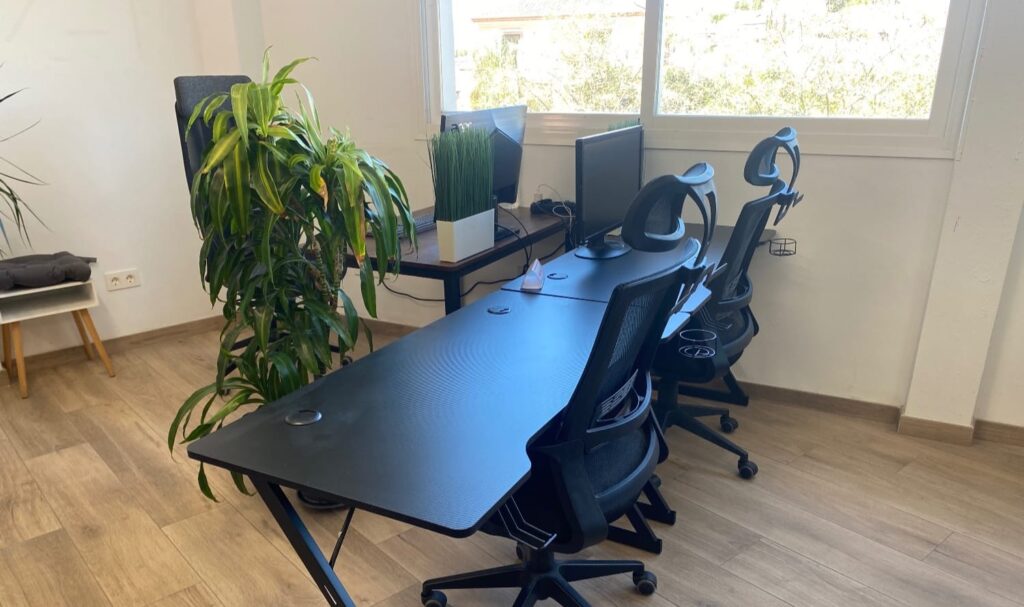
Every year, Earth Day gives us a reason to pause and think about the impact of our everyday choices. We often focus on the obvious like recycling more, using less plastic, or saving water at home, but there’s another part of daily life that influences our environmental footprint: the way we work. Coworking helps the planet in ways that aren’t always immediately visible, yet can make a meaningful difference over time.
For many people, the shift toward flexible and remote working has already changed their routines for the better. And coworking spaces are playing a bigger role than you might expect in making work more enjoyable, but more sustainable too.
Fewer Offices, Less Energy
Traditional offices can be surprisingly inefficient. Lights, air conditioning, internet, and equipment are often running all day, even when only one person is using them. Multiply that across hundreds of separate offices, and the energy consumption quickly adds up.
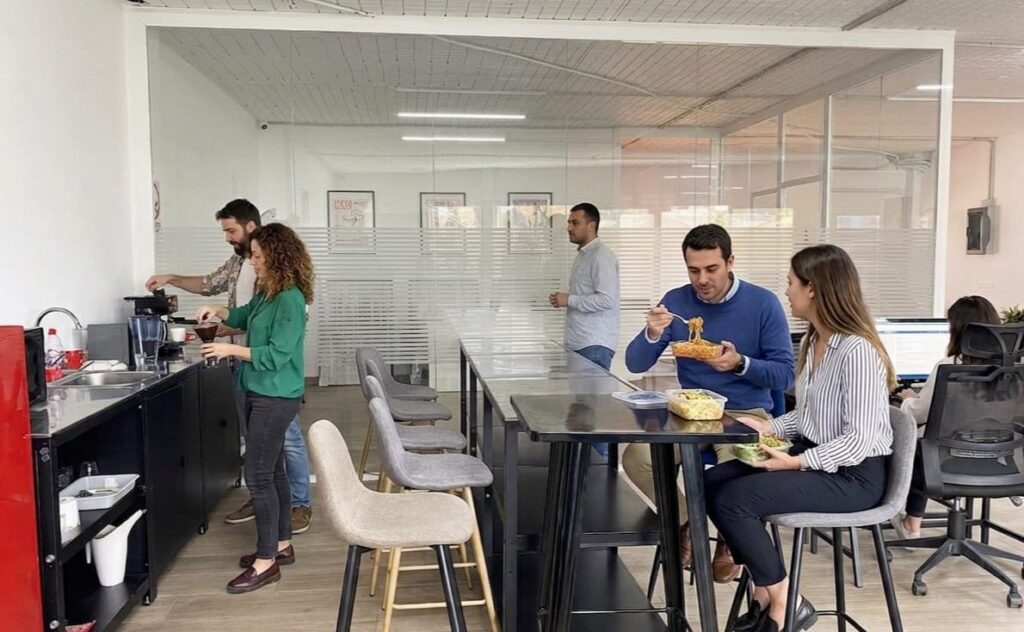
Coworking flips that model. Instead of dozens of underused spaces, people come together in one environment where resources are shared. One kitchen instead of many. One set of meeting rooms instead of several sitting empty. A single air conditioning unit serving everyone, rather than one per person. It’s a quieter kind of efficiency, but an important one.
A Smarter Way to Use Resources
Everything that goes into a workspace (desks, chairs, printers, coffee machines, even the WiFi) is shared, which naturally reduces waste and overconsumption. In a traditional setup, each business duplicates what others already have. At its core, coworking helps the planet by encouraging a more efficient and thoughtful way of working. It is more environmentally friendly using what’s already there, more thoughtfully. And over time, those small efficiencies make a real difference.
Cutting Down the Commute
One of the biggest environmental costs of work has always been the daily commute. Long drives, traffic, and fuel consumption are part of the routine for many office workers. Coworking offers a local alternative. Instead of commuting to a distant city, many people choose to work closer to home. In places like Coín, that can mean walking through town, cycling, or just taking a short drive instead of a long one. Less time on the road reduces emissions and also gives you back part of your day.
Supporting a More Local Lifestyle
Working locally often leads to living more locally too. When your workspace is part of your own community, you’re more likely to grab lunch from a nearby café, run errands in town, or support small businesses around you. This change might seem subtle, but it helps build a more sustainable local economy. Less reliance on big, centralised hubs and more support for independent businesses creates a healthier balance for people and for the environment.
A Different Pace of Work
There’s also something less tangible, but just as important. Coworking spaces tend to encourage a slower, more intentional way of working. Without long commutes or rigid office routines, people often find themselves making more conscious choices throughout the day. That might mean stepping outside for fresh air, being more mindful of energy use, or simply feeling more connected to their surroundings. And when you feel more connected, you naturally take better care of the world around you.
Small Changes, Shared Impact as Coworking Helps the Planet
Earth Day is a reminder that big change doesn’t always come from big gestures. Often, it’s the small, consistent choices that add up over time. Coworking helps the planet in simple ways, e.g. lowering energy use or cutting down unnecessary waste.
And sometimes, something as simple as where you choose to work can be part of that change.